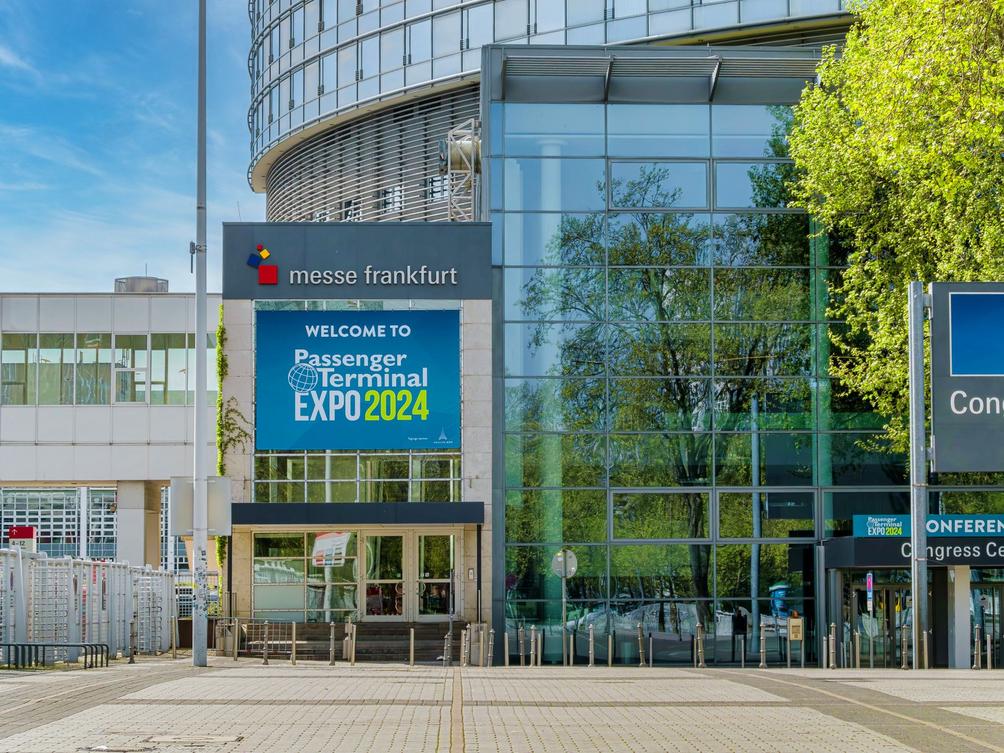
Which Travel Trade Shows Are Actually Worth the Money?
A hotel sales director returns from a major exhibition with a full diary, a stack of contacts and no clear answer to a basic question: which of those conversations can become business? Meanwhile, a competitor attends a smaller workshop, meets fewer people and leaves with specific requests for rates, availability and a contracting call. The larger event may still have been worthwhile. But the crowded diary does not prove it.
Travel trade shows should be judged by qualified buyer access per pound spent, not by their prominence in the industry calendar. That means looking beyond attendance figures and asking who you can actually meet, what they buy, whether your product fits their programme and what happens after the conversation. There is no universally best show; there is a best use of a particular supplier’s budget at a particular stage of its sales development.
My contention is that too many suppliers protect their exhibition calendar while underfunding the work that makes it productive. The commercial task is not to attend more efficiently. It is to choose more selectively, then give fewer, better opportunities the attention they deserve.
You’ll find on this page
- A qualified buyer is more than a relevant job title
- Buy access to your market, not prestige in the calendar
- Calculate the whole cost of a useful conversation
- Give every event a job before approving the spend
- A busy diary is not a commercial pipeline
- Fund the follow-up before you book the stand
- Keep the shows that earn their place
- Frequently asked questions
A qualified buyer is more than a relevant job title
A buyer badge is an access credential, not evidence of purchasing potential. Someone may work for an important tour operator without buying your destination, influencing hotel selection or having any reason to reconsider existing suppliers. Equally, a less recognisable specialist might control precisely the programme you want to enter.
Qualification starts with product fit. A resort targeting longer family stays needs different buyers from a city hotel seeking short-break volume. A DMC selling private touring should distinguish operators that commission ground arrangements from businesses that mainly resell packaged inventory. For an airline, the useful contact might be responsible for distribution or specialist groups rather than accommodation contracting.
Then comes commercial relevance. Does the buyer serve the right source market and customer segment? Can your rates support their selling model? Are your booking conditions compatible with their operations? A promising destination conversation can collapse when the supplier cannot provide the release periods, cancellation terms or response times the buyer needs.
Finally, consider timing and influence. A product manager researching a future programme may be valuable, but not on the same timetable as someone actively replacing a supplier. A senior executive can open doors without handling contracts personally. Record the distinction rather than treating both meetings as equivalent sales opportunities.
Before committing to an event, build a short target-account list and define what would make each account worth meeting. Useful evidence includes destinations currently sold, programme gaps, distribution channels and the appropriate buying role. The objective is not to exclude every uncertain prospect. It is to separate a plausible route to business from a conversation that is merely pleasant. Qualified buyer access begins with the supplier’s homework, not the organiser’s terminology.
Buy access to your market, not prestige in the calendar
The best travel trade shows are not necessarily the largest, the most selective or the ones your competitors attend. Different event formats solve different problems. A broad international exhibition offers market breadth and the possibility of combining existing-account meetings, prospecting and partner discussions. A specialist workshop can offer tighter product alignment. A local trade evening may help reach agents who influence bookings but do not negotiate supply contracts.
WTM London, for example, can be useful when a supplier has several relevant commercial relationships to advance across the same trip. Its scale is not, by itself, a reason to exhibit. If your target buyers are few and already accessible elsewhere, a large stand may be an expensive way to host meetings that did not require one.
Hosted-buyer formats deserve the same scrutiny. Ask how buyers are selected, how appointments are matched and whether either party can decline an unsuitable meeting. Understand the difference between guaranteed appointments and guaranteed relevance. A packed schedule can still contain businesses with the wrong customer base, destination remit or purchasing model.
Ask organisers for information they can reasonably provide: buyer categories, represented source markets, matching rules and access arrangements. Named attendee information may be restricted or unavailable before registration, so establish what can actually be verified. Previous participation can indicate possible fit, but it is not a promise that those buyers will return.
The UK lens matters where British operators or agents are your target. An event with a strong international reputation may provide less useful British distribution access than a smaller gathering built around the right segment. Conversely, a supplier seeking several European markets may benefit from broader participation. Choose the audience and access mechanism first; choose the event brand afterwards.
Calculate the whole cost of a useful conversation
The stand invoice is not the event budget. Add travel, accommodation, registration, stand production, freight, hospitality, preparation and the staff time required before, during and after the show. Include the work displaced at home: account servicing, contracting, prospecting and responding to live enquiries. A cheap event can become expensive when it consumes the team’s most commercially productive week.
Use two views of cost. The cash view shows what the business must pay. The resource view includes staff time and the capacity taken away from other sales activity. Keeping them separate avoids pretending every hour away is a direct cash expense, while still exposing the real commitment.
A useful planning measure is total event investment divided by the number of realistically accessible, relevant buyer conversations. This is not a forecast of revenue. It is a way to compare options before spending, provided the denominator reflects achievable meetings rather than the entire attendance list. Recalculate afterwards using meetings that actually happened and met your qualification criteria.
Also compare participation formats. A shared destination stand, a workshop package or visitor attendance may deliver the access you need without a standalone exhibition presence. Check the rules: visitor access may not include appointment systems, meeting space or permission to conduct the same activity as an exhibitor.
This sits within the wider question of budgeting realistically for travel trade market entry. An event should not consume so much funding that there is nothing left for contracting support, sales visits or account development. The commercially sensible choice is sometimes a more expensive show with stronger fit. Sometimes it is a smaller format. Sometimes it is no show at all.
Give every event a job before approving the spend
An event brief that says “raise awareness and generate leads” leaves almost any outcome defensible. A stronger brief identifies the commercial job: find distribution for a new property, replace an underperforming account, establish DMC contracting relationships or secure agent engagement around a route. Those objectives demand different people, materials and measures.
For an independent hotel, the priority might be establishing whether selected operators can sell its room types and stay patterns profitably. For a DMC, it might be testing whether operators will commission a new touring proposition. A tourism board may need buyers to consider a region for future programmes, while an airline team may be advancing distribution relationships rather than seeking immediate bookings.
These are not interchangeable outcomes. Tourism board teams should distinguish destination interest from evidence of programme consideration, and avoid claiming supplier revenue they cannot attribute. Agent training attendance should not be presented as contracting success. Existing-account discussions can be valuable without being labelled new-business leads.
Set a meeting agenda that reflects the job. Identify the buyer’s requirement, test the product fit and agree a next action. A useful conversation might end with a request for a sample itinerary, a rate proposal, a technical discussion or an introduction to the actual contracting contact. It need not produce a purchase decision on the stand.
Preparation also means bringing material buyers can use. Beautiful brochures rarely settle questions about room configuration, service delivery or booking conditions. The distinction between attractive supplier assets and practical trade sales tools matters especially when appointment time is short. Tailor the evidence to the buyer’s decision. A clear operational answer can do more for travel trade buyer engagement than another polished overview of the destination.
A busy diary is not a commercial pipeline
After a show, reporting often starts with totals: meetings held, contacts collected and brochures distributed. These tell you whether activity occurred. They do not tell you whether the business is closer to a useful distribution agreement. Trade show ROI requires a more disciplined view of what changed.
Separate contacts from qualified opportunities. A contact has been identified. A qualified opportunity has a credible need, a product fit and a plausible purchasing route. A progressing opportunity has moved to an agreed action. These distinctions stop every badge scan entering the sales forecast and make it easier to decide where the team should spend its time.
For example, a tour operator asking a DMC for an itinerary is a meaningful step, but not yet a contract. The opportunity becomes clearer when the operator supplies dates, customer profile, service expectations and a decision process. A general request to send information belongs in a different category unless subsequent engagement gives it substance.
Measure the stages appropriate to your sales cycle: qualified discussions, requested proposals, completed proposals, contracting progress and eventually attributable business. Include account retention or expansion where that was the event’s stated purpose. Record why opportunities stall; pricing, capacity, operational fit and lack of purchasing intent are different problems.
Attribution needs restraint. If an account was already discussing a contract, a show meeting may have accelerated the decision rather than originated it. Record the contribution without assigning the entire relationship’s revenue to the event. Likewise, avoid dismissing long-cycle opportunities simply because bookings have not appeared immediately.
The barriers explored in why strong local tours can struggle to win trade contracts illustrate the point: product appeal and trade readiness are not the same thing. Your event reporting should reveal that gap, not conceal it beneath a large lead total.
Fund the follow-up before you book the stand
A supplier can execute the event well and still waste the investment afterwards. The team returns to operational demands, urgent enquiries and another departure. Notes remain in separate notebooks, promised proposals slip and buyers receive a generic message that bears little relation to their conversation.
Trade show follow up should therefore be resourced before attendance is approved. Assign an owner to each priority account, reserve proposal capacity and decide who can authorise commercial terms. If the people responsible for responding are already fully committed, reducing attendance may be the more productive decision.
Capture meeting notes in a consistent format: buyer requirement, relevant product, commercial constraints, promised material, responsible person and agreed timing. Include uncertainties. “Interested in family touring; purchasing responsibility needs confirming” is more useful than “good meeting”. Record information appropriately and respect the buyer’s communication preferences.
The first follow-up should deliver what was agreed, not restart the sales pitch. If a buyer requested accessible room specifications, send those specifications. If an operator needs a sample itinerary within a particular budget, address that requirement and flag assumptions. Where you cannot deliver on time, explain the position rather than allowing silence to imply unreliability.
Not every contact warrants the same effort. Prioritise live requirements and credible next steps, then manage longer-term prospects separately. An agreed future review can be a legitimate outcome; repeated unsolicited reminders are not evidence of account development. The approach outlined in building long-term value from WTM London follow-up is relevant beyond one event: continuity matters more than a single burst of messages.
Follow-up also tests the original selection. If well-matched meetings repeatedly fail because buyers have no relevant purchasing plans, revisit the event’s fit. If opportunities fail because your team cannot provide usable proposals, changing shows will not solve the underlying problem.
Keep the shows that earn their place
Review the calendar as a portfolio of commercial choices, not a set of annual traditions. Each event should have a defined purpose, an identifiable buyer audience, a credible access route and sufficient capacity for the work that follows. An event that cannot meet those conditions should not receive automatic renewal.
Before the next approval, put a short decision brief in front of the budget holder. State the target accounts or buyer profiles, why this format is suitable, the full investment, the intended commercial progress and the follow-up owner. Explain the alternative use of the money, whether that is targeted sales visits, account support or participation in a different format.
Afterwards, compare the brief with reality. Were the right buyers accessible? Did meetings produce relevant requests? Did your team deliver? What progressed, and what remained speculative? Use the answers to change the next decision, rather than merely documenting the last trip.
Skipping a familiar show can feel commercially risky, especially when competitors remain visible there. But visibility without a route to business is not a sufficient defence of expenditure. At Globalisto, the useful question is not whether an event is prestigious enough to attend, but whether it earns its place in the supplier’s sales plan. Attend fewer if necessary. Prepare properly, protect follow-up capacity and judge the result by commercial progress.
Frequently asked questions
Which travel trade shows are best for hotels and DMCs?
The best fit depends on your target source markets, product segment and distribution objectives. Compare the buyers you can realistically meet, the appointment format and the total participation cost rather than relying on event size or reputation.
How do you calculate travel trade show ROI?
Record the full investment, including preparation and follow-up resources, then track qualified opportunities through proposals, contracting and attributable business. Distinguish revenue from commercial contribution, and avoid crediting an event with all the value of a relationship that already existed.
Are hosted-buyer events better value than large exhibitions?
They can be when buyer selection and appointment matching align closely with your needs. Guaranteed meetings do not guarantee purchasing relevance, so check the qualification criteria, matching process and options for declining unsuitable appointments.
Is exhibiting necessary to meet travel trade buyers?
Not always: shared stands, workshops or permitted visitor participation may provide sufficient access. Check each event’s rules and access restrictions before assuming a lower-cost format offers the same appointment opportunities as exhibiting.
What should travel trade show follow-up include?
Deliver the information or proposal agreed during the meeting, address the buyer’s specific requirements and confirm the next step. Assign an account owner and record deadlines so that promising conversations do not disappear into a general mailing list.